Mobile Chips & Billions: Tsai Ming-Kai's Mediatek Wealth Surge
In the dynamic world of global technology, where innovation constantly reshapes industries and fortunes, certain figures stand out as true titans. Among them is
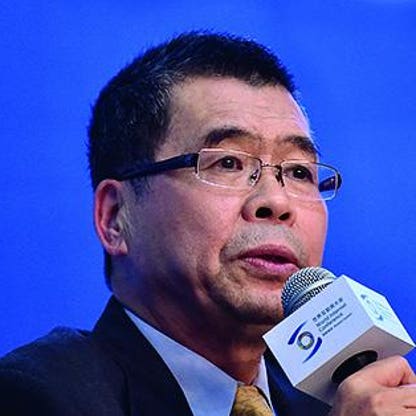
Tsai Ming-Kai, a visionary Taiwanese businessman whose name has become synonymous with the groundbreaking success of MediaTek, a powerhouse in the semiconductor industry. As the CEO and Chairman of the Taipei-listed fabless chip design company, Tsai Ming-Kai has not only steered MediaTek to global prominence but has also seen his personal wealth surge, reflecting the incredible demand for the essential components that power our digital lives. His journey is a testament to strategic leadership and an acute understanding of market trends, particularly within the booming mobile sector.
At the latest count,
Tsai Ming-Kai's net worth stands impressively at $1.8 billion. This significant figure represents not just personal success but also MediaTek's pivotal role in supplying crucial chipsets to world-renowned clients like Asus, Acer, and Lenovo. The past year has been particularly lucrative for Tsai, with his net worth jumping by nearly $400 million. This remarkable surge is directly attributable to the escalating global demand for mobile phones, especially the proliferation of low-cost 3G smartphones that rely heavily on MediaTek's innovative and cost-effective chip solutions. But MediaTek's influence extends beyond just smartphones, encompassing chips for DVDs, TVs, and a wide array of wireless communication devices, solidifying Tsai Ming-Kai's position as a linchpin in the global tech supply chain.
The Architect of Mediatek's Empire: A Semiconductor Visionary
Tsai Ming-Kai's impact on the technology landscape is deeply rooted in his role at MediaTek, a company he has meticulously guided to become a formidable force. As CEO and Chairman, he has championed a strategic vision that has allowed MediaTek to thrive in a highly competitive market. What makes MediaTek particularly agile and efficient is its "fabless" business model. Unlike integrated device manufacturers (IDMs) that own and operate their own semiconductor fabrication plants (fabs), MediaTek focuses entirely on research, design, and development of its chipsets, outsourcing the manufacturing to third-party foundries like TSMC. This model significantly reduces capital expenditure, allowing the company to allocate more resources towards innovation and adapting quickly to market demands.
Under Tsai Ming-Kai's astute leadership, MediaTek has carved out a unique and immensely profitable niche. While many competitors target the high-end premium smartphone market, MediaTek strategically focused on providing high-performance, cost-effective chipsets for the mid-range and entry-level mobile phone segments. This foresight allowed them to capitalize on the explosive growth of smartphone adoption in emerging markets across Asia, Africa, and Latin America, where affordability and robust performance are key drivers. The company's ability to deliver comprehensive system-on-chip (SoC) solutions, integrating multiple functionalities onto a single chip, has made it an indispensable partner for device manufacturers looking to produce competitive and accessible smartphones.
The Mobile Revolution: Fueling Tsai Ming-Kai's Net Worth Surge
The story of
Tsai Ming-Kai's net worth surge is inextricably linked to the global mobile revolution. Over the past decade, smartphones have evolved from luxury items into indispensable tools for communication, commerce, and entertainment worldwide. This mass adoption has created an insatiable demand for the underlying chipsets that power these devices, and MediaTek has been at the forefront of meeting this need. The recent jump of almost $400 million in Tsai's personal fortune underscores the sheer scale of MediaTek's contribution to this market.
The significant factor in this wealth surge was the particular demand for low-cost 3G smartphones. While 5G dominates headlines today, the transition from feature phones to more capable 3G and 4G smartphones continues apace in many parts of the world. MediaTek's expertise in designing highly integrated and energy-efficient chipsets has made them the preferred choice for manufacturers producing these accessible devices. By enabling millions to connect to the internet for the first time through affordable smartphones, MediaTek not only expanded its market share but also played a crucial role in digital inclusion globally. This strategic focus on a vast, underserved market segment, coupled with continuous innovation in chip performance and power efficiency, cemented MediaTek's position and, by extension, amplified Tsai Ming-Kai's financial success.
Beyond Mobile: Mediatek's Diverse Technology Portfolio
While mobile chips undeniably form the cornerstone of MediaTek's recent financial triumphs and
Tsai Ming-Kai's net worth, the company's strategic vision extends far beyond smartphones. Under Tsai's guidance, MediaTek has cultivated a diverse technology portfolio, showcasing a commitment to innovation across various sectors. This diversification not only provides multiple revenue streams but also insulates the company from potential downturns in any single market.
Initially known for its chips powering DVD players and digital televisions, MediaTek continues to be a significant player in these and other home entertainment segments. Their chipsets are found in smart TVs, set-top boxes, and various multimedia devices, delivering high-quality audio and video processing capabilities. Furthermore, MediaTek is a leading provider of chips for wireless communications, enabling connectivity solutions across a spectrum of devices.
The company is also making significant strides into the rapidly expanding Internet of Things (IoT) market, with specialized chips for smart home devices, wearables, and other connected gadgets. As industries increasingly adopt AI and machine learning, MediaTek is investing heavily in developing chip solutions that can power these advanced applications, from edge computing to automotive systems. This forward-looking approach, actively driven by Tsai Ming-Kai, positions MediaTek not just as a mobile chip giant, but as a broad-spectrum technology enabler, ready to capitalize on the next wave of digital transformation. This strategic foresight ensures long-term growth and stability, reinforcing the foundations of the Mediatek empire. You can delve deeper into his financial journey and the company's structure in
Tsai Ming-Kai's $1.8 Billion Net Worth: The Mediatek Empire.
The Fabless Advantage: A Smart Business Model
One of the foundational pillars of MediaTek's success, and a key factor in the trajectory of
Tsai Ming-Kai's net worth, is the ingenious adoption of the fabless business model. This strategy, though common among modern semiconductor firms, was a bold move that required strategic acumen and foresight in its implementation. By choosing to specialize solely in chip design and intellectual property development, MediaTek has reaped numerous benefits:
*
Reduced Capital Expenditure: Building and maintaining a semiconductor fabrication plant can cost billions of dollars. By outsourcing manufacturing to dedicated foundries like TSMC, MediaTek avoids these massive upfront and ongoing capital investments. This frees up significant financial resources that can be redirected into aggressive research and development.
*
Focus on Core Competencies: The fabless model allows MediaTek to concentrate its talent and efforts entirely on what it does best: designing innovative, high-performance, and energy-efficient chipsets. This singular focus fosters a culture of innovation and expertise in a highly specialized field.
*
Agility and Adaptability: In the fast-paced tech world, market demands and technological standards evolve rapidly. The fabless model provides MediaTek with greater flexibility to adapt to new processes and technologies without the burden of upgrading expensive manufacturing facilities. They can simply choose the foundry partners best suited for specific chip designs and production volumes.
*
Risk Mitigation: Semiconductor manufacturing involves inherent risks, including yield issues and the high cost of facility upgrades. By offloading these risks to foundries, MediaTek can maintain a leaner operation and focus on intellectual property, which is often its most valuable asset.
This strategic choice, championed by leaders like Tsai Ming-Kai, has been instrumental in MediaTek's ability to compete with larger, more integrated rivals, enabling them to bring sophisticated chip solutions to market efficiently and at competitive price points.
Lessons from a Self-Made Billionaire: Insights into Success
Tsai Ming-Kai's journey from a visionary leader in the semiconductor industry to a self-made billionaire offers invaluable lessons for aspiring entrepreneurs and established business leaders alike. His remarkable success, culminating in a substantial
Tsai Ming-Kai net worth, stems from a combination of strategic brilliance, relentless innovation, and an unwavering commitment to market understanding. Here are some actionable insights drawn from his trajectory:
*
Identify and Own a Niche: MediaTek didn't try to be everything to everyone. Under Tsai's leadership, it strategically focused on the mid-to-low-cost smartphone market, which was often overlooked by premium players. Identifying a substantial, underserved segment and providing compelling, tailored solutions is a powerful growth strategy.
*
Embrace Lean and Agile Business Models: The fabless model is a prime example of operational efficiency. By outsourcing manufacturing, MediaTek minimizes capital expenditure and maximizes its focus on design and innovation. Leaders should constantly evaluate their business structure for areas where strategic partnerships or outsourcing can enhance agility and reduce overhead.
*
Prioritize R&D and Innovation: In the technology sector, stagnation is death. MediaTek's continuous investment in research and development, particularly in integrating multiple functionalities into single chipsets, has kept them ahead of the curve. Companies must foster a culture of continuous improvement and innovation to remain competitive.
*
Build Strong Client Relationships: The trust of globally renowned companies like Asus, Acer, and Lenovo is a testament to MediaTek's reliability and product quality. Building and maintaining strong, mutually beneficial relationships with clients is crucial for sustained success and market penetration.
*
Adapt to Technological Shifts: Tsai Ming-Kai understood early the transition from basic mobile phones to smartphones, and MediaTek has continually adapted to subsequent shifts, from 3G to 4G and 5G, and into emerging fields like IoT and AI. Businesses must remain vigilant to technological evolution and be prepared to pivot their strategies accordingly.
*
Visionary Leadership: Beyond the numbers and technologies, Tsai Ming-Kai embodies the kind of visionary leadership that inspires. His ability to anticipate market trends, make bold strategic decisions, and empower his teams has been central to MediaTek's ascent.
The story of how this Taiwanese CEO navigated the complex semiconductor landscape to achieve billionaire status is truly compelling. To learn more about his entrepreneurial path, check out
Tsai Ming-Kai: How a Taiwanese CEO Became a Semiconductor Billionaire.
Conclusion
Tsai Ming-Kai stands as a towering figure in the global technology arena, his personal wealth a clear reflection of his strategic genius and the monumental success of MediaTek. With a formidable
Tsai Ming-Kai net worth of $1.8 billion, substantially bolstered by the exploding demand for mobile chips, he has cemented his legacy as a semiconductor titan. Under his leadership, MediaTek has not only powered millions of smartphones, especially in underserved markets, but has also diversified its portfolio to include critical components for televisions, DVDs, and a burgeoning array of wireless and IoT devices. His journey underscores the immense potential that lies in anticipating market needs, embracing efficient business models, and relentlessly pursuing innovation. As the world continues its rapid digital transformation, Tsai Ming-Kai and MediaTek are poised to remain at the forefront, shaping the future of connectivity and computing.